How our allergy service works

Complete our simple, confidential online consultation
5 mins

One of our clinicians confirms your suitability and notifies you by email
About 30 mins (Mon-Sun 9am-5pm)

Choose delivery or collection
Next day delivery
Same-day pharmacy collection
Collect in your local ParcelShop
Allergy treatments
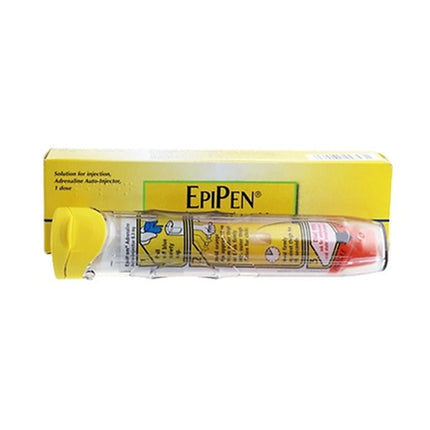
We can prescribe EpiPen for severe reactions and tablets that can help with some hay fever symptoms. Allergy treatments are available for home delivery or collection from your local ParcelShop.
About allergies
Allergies & their symptoms
Having an allergy is a very common condition in the UK. Causes can vary, but many allergies are manageable, and should not affect your daily life if the proper precautions are taken.
Allergic reactions happen when your body reacts to an allergen and releases histamine. This causes various symptoms such as a runny or blocked nose, asthma or coughing fits, inflammation or irritation of the eyes, skin irritation, and swelling of the skin, lips or tongue.
Severe allergic reaction (anaphylactic shock)
In extreme circumstances, allergic reactions can cause anaphylactic shock. This is when your body reacts very badly and very quickly to a particular allergen (such as nuts). Symptoms include swelling of the hands, eyes and feet, itchy skin, stomach pains, and tightening of the airways.
Anaphylaxis can cause swelling of the lips and tongue, breathing problems, collapse, and loss of consciousness. In some cases, anaphylaxis causes death, meaning it must always be treated as a medical emergency.
Causes of allergies
Allergies can be caused by many different triggers, including dust, animals, certain foods (such as dairy, nuts or shellfish), or even certain medicines.
Hay fever (allergy to tree, flower and grass pollen) tends to be seasonal, affecting people more in spring and summer. Understanding what causes your allergies is important so that you can avoid them and be prepared with appropriate treatment.
Our allergy clinic
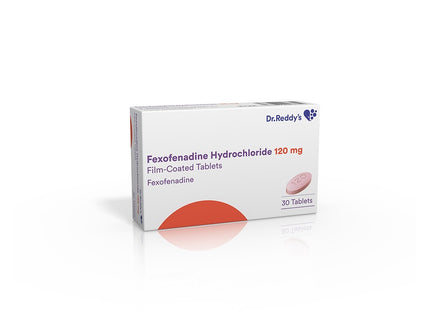
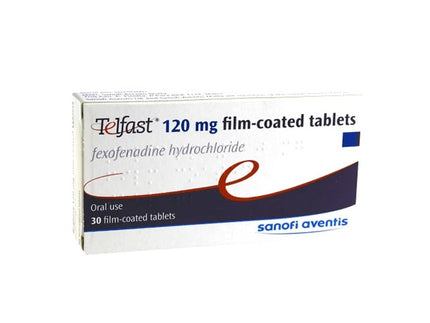
We can prescribe the antihistamine Telfast for seasonal allergic rhinitis, which many people experience as hay fever symptoms. For severe allergies, if you've already been prescribed EpiPen by your doctor, we can prescribe 1 or 2 pens.
Request the treatment you need and complete a short medical questionnaire. We will use this information to ensure the treatment is safe and suitable for you to take. If approved, your treatment can either be collected or delivered.
Allergy FAQs
-
Doctor's allergy advice
Allergies affect around 1 in 4 people in the UK. It's possible to develop allergies at any point in your life, and symptoms can vary in severity for a number of reasons. While avoiding the allergens that trigger your reaction is the best way to stay healthy, you can manage your symptoms effectively with treatment.
-
What are the most common allergy triggers?
If you're unable to identify what's causing a reaction, speak to your GP about allergy testing. In a safe environment, you will be tested for a skin reaction to a range of allergens. Once identified, you can know to avoid these triggers.
-
How do you test for allergies?
If you're unable to identify what's causing a reaction, speak to your GP about allergy testing. In a safe environment, you will be tested for a skin reaction to a range of allergens. Once identified, you can know to avoid these triggers.
-
What can I do to prevent or minimise allergy risks?
Being prepared is the most important thing. Whether you have hay fever, asthma, or another allergy, having the necessary measures to prevent and minimise the likelihood of an allergic reaction will allow you to live life as normally as possible.
Usually, simply avoiding certain foods, environments or animals will be enough to avoid an allergic reaction. Taking medicines is another preventative measure which can be done either before symptoms start, or as they are just beginning.
-
When is allergy season?
Hay fever season varies depending on the weather and the region in which you live. It usually starts in early spring and can last until early autumn. Starting hay fever treatment as soon as you feel the beginning of symptoms is the most effective way to keep allergies at bay.
If you live with asthma, remember that allergies can make this worse. Make sure your preventer and / or reliever inhalers are in date and that you know how to use them correctly. Visit our asthma clinic for advice and treatment.
Find out more about allergies
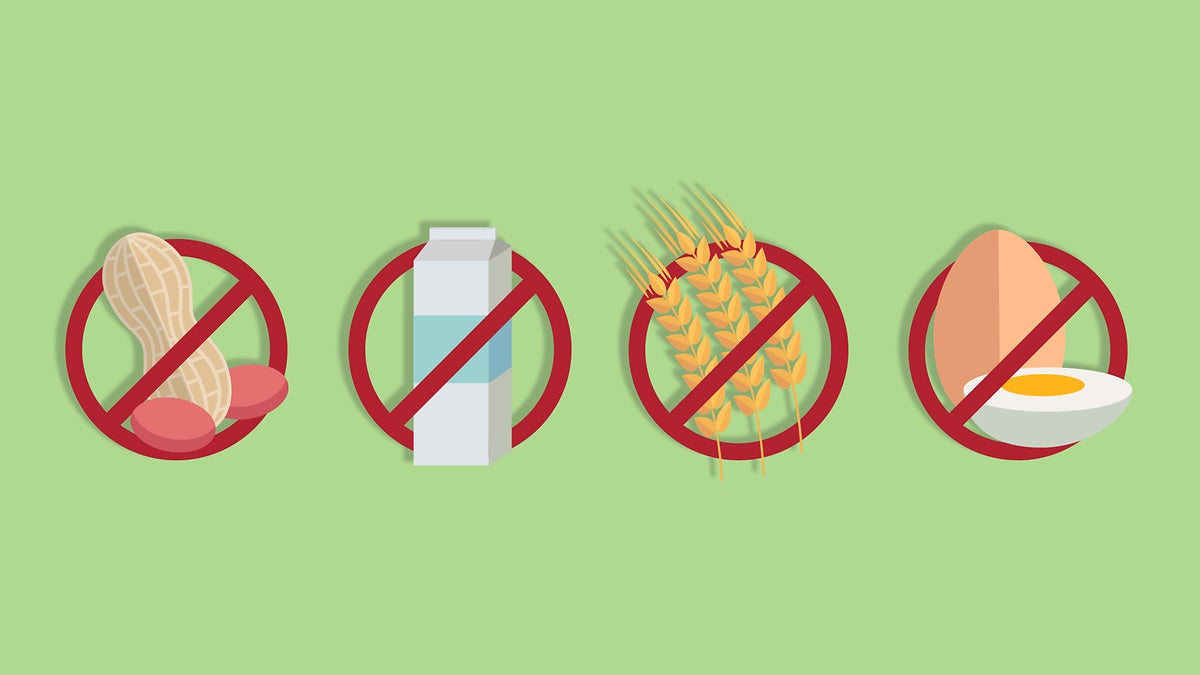
Allergies vs intolerances
Allergy testing
Allergic rhinitis
Allergy information: What is Loratadine (Telfast)?
Hay fever medication in pregnancy

Different causes of hay fever
Delivery and collection information
-
Same-day collection (Free)
Order before 5pm Monday-Friday to collect the same day in pharmacies nationwide. Subject to the availability of your treatment in your selected pharmacy.
-
Standard delivery (Free)
Delivered within 5-7 working days.
-
Next-day delivery (£4.95)
Orders approved before 5pm Monday-Friday will arrive within 1-2 working days.
Orders approved between 5pm Friday and 12pm Sunday will usually arrive on Monday or Tuesday.
-
Standard ParcelShop collection (Free)
Collect from 7000+ convenient ParcelShops in 2-3 working days.
-
Next day ParcelShop collection (£2.95)
Collect next day from 7000+ convenient ParcelShop locations, if approved before 5pm Monday-Friday.
Saturday and Sunday orders, collect Monday if approved before 12pm Sunday or Tuesday if ordered after 12pm.
Enter your postcode or use your location to find your nearest pharmacy