How our STI treatment service works

Complete our simple, confidential online consultation
5 mins

One of our clinicians confirms your suitability and notifies you by email
About 30 mins (Mon-Sun 9am-5pm)

Choose delivery or collection
Next day delivery
Same-day pharmacy collection
Collect in your local ParcelShop
STI treatments

How are STIs treated?
What is an STI?
STI stands for ‘Sexually transmitted infection’. It is the name for an infection or condition passed on through sexual contact. They are highly infectious and can be passed on without either party knowing.
What causes STIs?
STIs are caused by viruses and bacteria that grow in warm, moist places in the body. They are then passed on through sexual contact via the mouth, genitals or anus.
How are STIs treated?
Most STIs are treated with antibiotics in the forms of tablets, creams and injections. Once diagnosed, talk to your GP and they will recommend a suitable treatment for your STI.
What kind of STI treatments are available?There are a number of STI treatments available, depending on which STI a patient has.
What kind of STI treatments are available
There are a number of STI treatments available, depending on which STI a patient has.
|
STI |
Chlamydia | Genital warts | Genital herpes |
|
Treatment options |
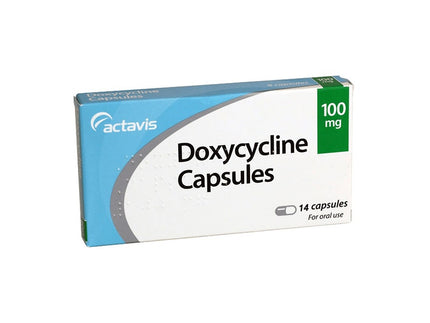
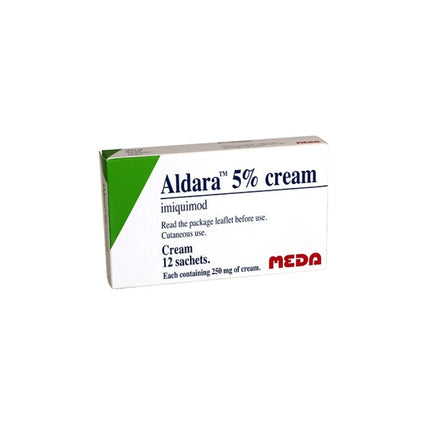
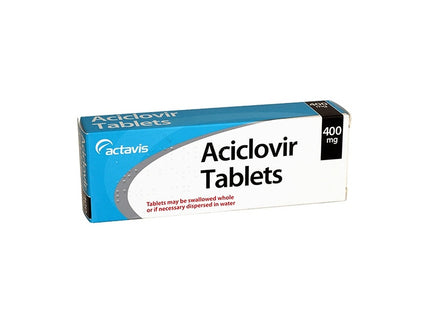
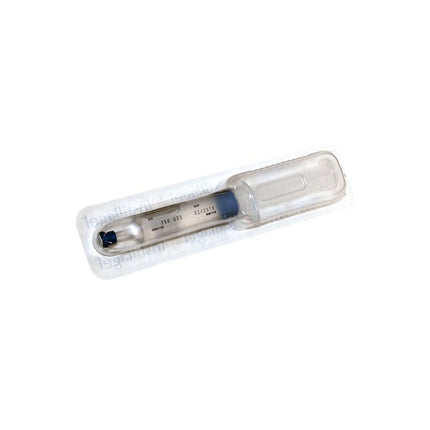
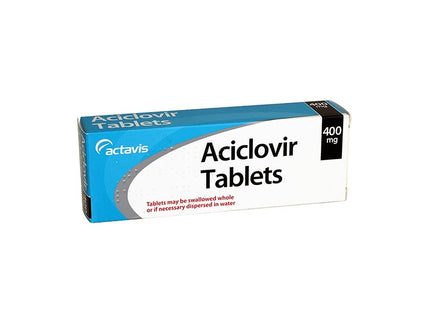
Doxycline capsules | Aldara wart treatment / Warticon | Suppression treatment / Aciclovir treatment tablets / Instillagel |
|
Treatment duration |
7 days | 4 months / 4 weeks | 3 months / 5 days / as needed* |
STI treatment FAQs
-
Requesting genital herpes treatment
Genital herpes affects 23% of adults in the UK. A viral STI, there is no cure for herpes, which is a virus that can cause painful outbreaks. You can choose to treat outbreaks as they occur or take a treatment to prevent outbreaks.
If you've already been diagnosed with genital herpes, we can prescribe treatment. Your treatment will depend on how many times a year you experience an outbreak, more or less than 6. If it's more than 6, herpes suppression treatment could reduce the number of outbreaks you have.
-
Requesting chlamydia treatment
Chlamydia is a common STI – government data shows that there were nearly 200,000 cases of it last year. It is treated efficiently with antibiotics.
If you or your sexual partner have been diagnosed with chlamydia, we can prescribe you treatment. However, our service is only suitable if you are not experiencing symptoms (or are a female patient experiencing vaginal discharge as their only symptom).
If you are experiencing symptoms, we advise you to see your GP or go to a local sexual health clinic for treatment.
-
Requesting genital warts treatment
Passed on through sex, genital warts are painless lumps or growths. Recent data shows that there were over 25,000 cases of genital warts in 2023.
If you've already been diagnosed, we can prescribe you treatment to help get rid of them. We can also prescribe you treatment if you are suitable following a consultation with our genital photo assessment service. These treatments can be used discreetly at home.
Genital warts are caused by human papillomavirus (HPV). We can prescribe an HPV vaccine to protect you against several strains of the virus that cause genital warts and some cancers.
-
Side effects of STI treatments
STI treatments can have several side effects, some common and others rare. If you experience any side effects while you’re taking STI treatment, please talk to your GP.
Treatment nameUsed to treatSide effectsAldara(Patient information leaflet)Genital warts
- Skin irritation
- Rash
- Soreness
- Ulceration around the areas where you apply the cream
- Flu-like symptoms
Chlamydia treatment(Patient information leaflet)Chlamydia
- Sensitivity to sunlight
- Indigestion
- Vaginal thrush (if applicable)
Aciclovir(Patient information leaflet)Herpes
- Headache
- Dizziness
- Nausea
- Vomiting
- Tiredness
- Itching
- Rash
Instillagel(Patient information leaflet)Herpes
- Serious allergic reaction
- Low blood pressure
- Changes in heat rate
- Fits
Warticon(Patient information leaflet)Herpes
- Skin irritation
- Rash
- Soreness
- Ulceration around the areas where Warticon was applied
For full information on side effects and correct use, take a look at the patient information leaflets linked in the table.
-
How to prevent STIs
The best way to look after your sexual health is to practise safe sex. We encourage you to talk to new sexual partners about their sexual history and whether they've recently had an STI test. Similarly, it’s helpful to be aware of your status too. Make sure you’re testing yourself if you’re engaging in regular casual sex with different partners.
If you are having sex, using condoms for oral, vaginal and anal sex is the most effective way to avoid catching an STI. Make sure the condoms are in date, don’t have any rips or tears in them or have been damaged in any way (torn while in a pocket, for example).
Be aware of anything unusual (smells, growths or discharge) from you or your partner.
Never be afraid to say 'no' if you feel you're at risk. Some STIs cannot be cured, so be being safe in the moment could mean staying healthy in the future.
“As with any situation, it’s good to be prepared. Practice safe sex if you’re concerned about your sexual health or potential pregnancy. Overall, prevention takes less time than treatment.” - Dr Bhavini Shah
-
Can an untreated STI be fatal?
Like most infections, it can be incredibly dangerous to leave an STI untreated. Several STIs can be life threatening if left untreated, including syphilis and HIV. Complications from STIs, like PID from gonorrhea or some forms of cancer, can also become life-threatening.
It can take a while for these symptoms and complications to take effect, but it’s safer to treat an STI early and remove the worry entirely. It is also important to test regularly as STIs like chlamydia and gonorrhea can exist without symptoms.
“If you’ve been diagnosed, talk to your GP as soon as possible to determine the best treatment plan for you. If you’re worried that you may have caught an STI or you’re sexually active and want to stay aware, take an STI test.” - Dr Bhavini Shah
-
HPV vaccine information
Human papillomavirus (HPV) is the name for a group of viruses. These viruses can cause genital warts and some kinds of cancer, including cervical and anal - these affect both men and women. It's transmitted by skin-to-skin contact and it's possible to be infected without having any symptoms.
Both men and women can be vaccinated against certain strains of HPV, although it's most effective if you get the vaccine before you become sexually active. If you'd like to find out more about HPV vaccination, visit our HPV clinic.
-
STI testing at home
If you're sexually active and haven't had an STI test in the last 6 months, we advise that get yourself checked. We can provide home testing kits for a range of STIs, including chlamydia, gonorrhoea, and HIV. This service is not suitable if you are experiencing symptoms* - in this case, please visit your GP or a sexual health clinic.
*Unless you are a female patient experiencing vaginal discharge as your only symptom.
Testing for an STI too early can cause results to become inaccurate. It’s recommended that you wait for the following times before testing for each STI:
How long to wait before testing
Chlamydia - 2 weeks
Gonorrhoea - 2 weeks
Syphilis - 3 months
HIV - 45 days
Trichomonas - 2 weeksOrder the kit, follow the instructions to complete a simple test, then seal it and send off to our partner lab for analysis. You'll receive test results in a few days and in some cases can order treatment from us immediately. Kits are available for delivery.
-
Doctor's STI treatment advice
If you have been diagnosed already or do not have symptoms, we can treat you safely without a face-to-face appointment. You should complete the full course of treatment to ensure that infections and outbreaks are effectively treated.
As part of doctor-patient confidentiality, we won’t tell your regular doctor if you have requested any treatments or test kits from our site unless you explicitly ask us to. We recommend that you abstain from sex until you have had your STI treated.
Find out more about STIs
What is gonorrhoea?
Can some STIs make you infertile?
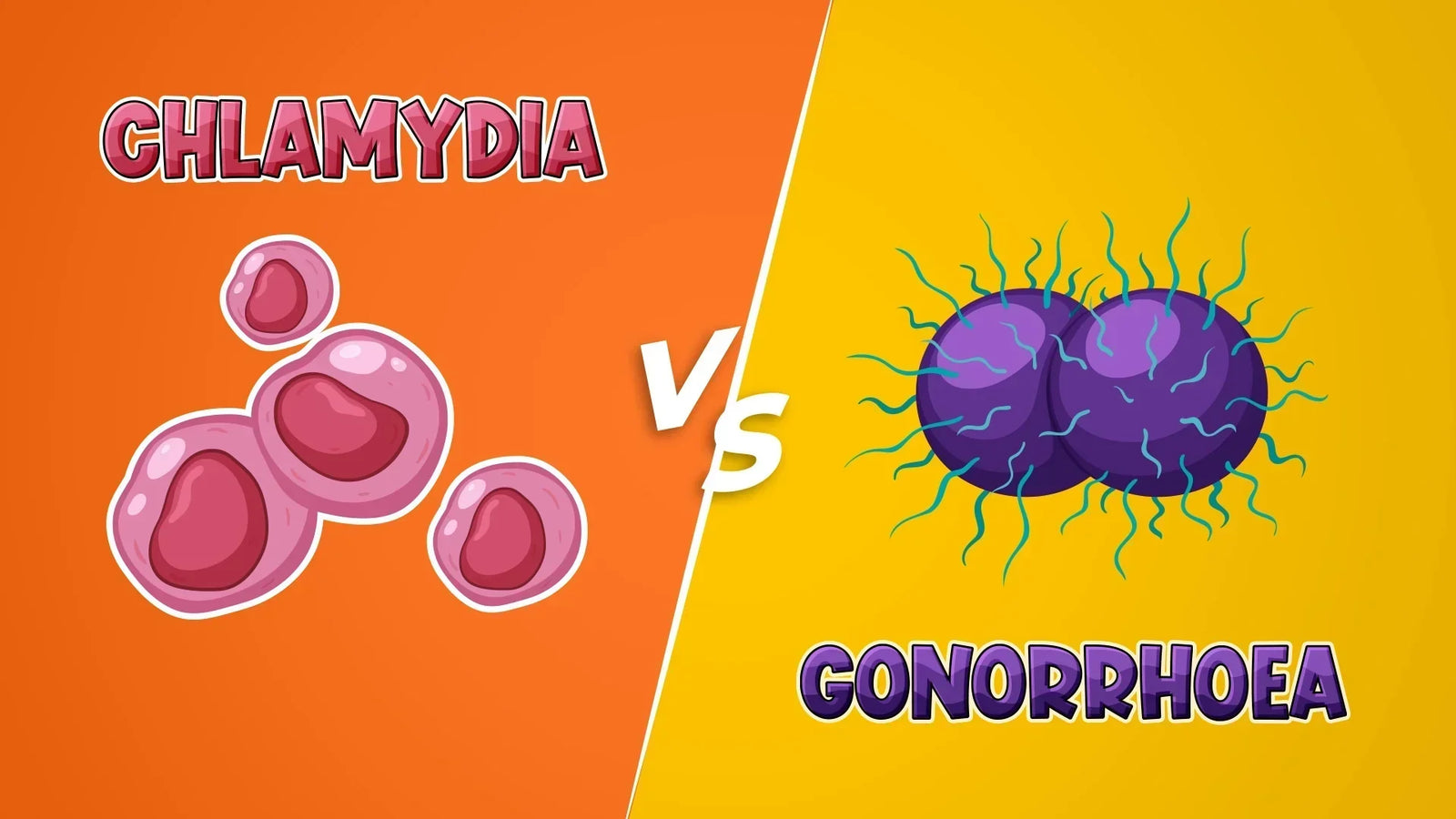
Chlamydia vs. gonorrhoea
What are pubic lice?
Can you have an STI even if you tested negative?
Chlamydia symptoms
-
References
- https://www.nhs.uk/medicines/sildenafil-viagra/pregnancy-breastfeeding-and-fertility-while-taking-sildenafil/
- https://www.nhs.uk/medicines/tadalafil/pregnancy-breastfeeding-and-fertility-while-taking-tadalafil/
- https://www.nhs.uk/medicines/sildenafil-viagra/common-questions-about-sildenafil/
- https://pubmed.ncbi.nlm.nih.gov/15036680/
- https://pubmed.ncbi.nlm.nih.gov/9806184/
- https://www.nhs.uk/medicines/sildenafil-viagra/pregnancy-breastfeeding-and-fertility-while-taking-sildenafil/
Delivery and collection information
-
Same-day collection (Free)
Order before 5pm Monday-Friday to collect the same day in pharmacies nationwide. Subject to the availability of your treatment in your selected pharmacy.
-
Standard delivery (Free)
Delivered within 5-7 working days.
-
Next-day delivery (£4.95)
Orders approved before 5pm Monday-Friday will arrive within 1-2 working days.
Orders approved between 5pm Friday and 12pm Sunday will usually arrive on Monday or Tuesday.
-
Standard ParcelShop collection (Free)
Collect from 7000+ convenient ParcelShops in 2-3 working days.
-
Next day ParcelShop collection (£2.95)
Collect next day from 7000+ convenient ParcelShop locations, if approved before 5pm Monday-Friday.
Saturday and Sunday orders, collect Monday if approved before 12pm Sunday or Tuesday if ordered after 12pm.
Enter your postcode or use your location to find your nearest pharmacy