Advice on including nuts in your diet

Nuts are a nutrient-rich food, packed with vitamins, minerals, protein, fibre, and good fats. The good fats help lower LDL, or "bad", cholesterol, which decreases the risk of heart disease.
Nuts as a substitute
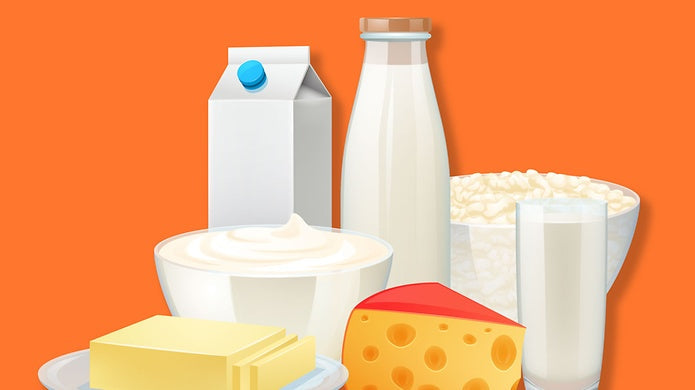
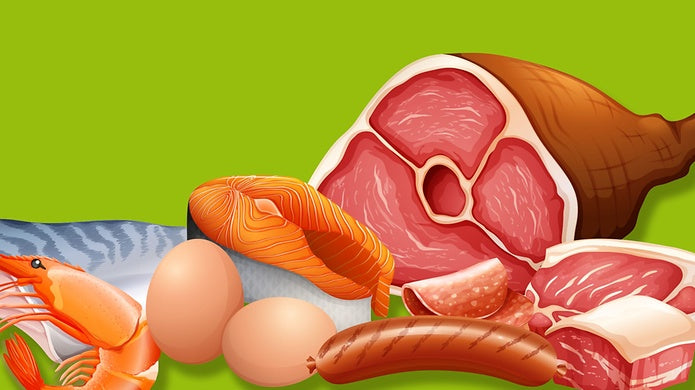
Eating nuts and pulses as protein sources, rather than meat and dairy, has also been recommended as a way of eating that is more sustainable for our planet. Nuts can be a good substitute for foods high in saturated fat and sugar, such as biscuits, chocolates, or cakes.
The right quantity of nuts
However, you need to be aware that nuts are a high calorie food so you should limit your portion size to 30g (a small handful) nuts a day.
The healthiest way to include nuts
Eating whole nuts is the healthiest way to include nuts in your diet. Try to avoid dry-roasted, salted, flavoured or honey-roasted nuts, which come with extra salt and sugar. You can also try nut butters but avoid ones with added ingredients such as salt, sugar, or palm oil.