Optimising your diet for heart health

Your heart’s health can affect how your entire body performs, so it’s important that you make healthy lifestyle choices to support it. These choices can include exercise and avoiding things like stress, alcohol and cigarettes to avoid their effects on your blood pressure. Additionally, a healthy and nutritious diet can benefit heart health.
A heart-healthy diet can reduce the likelihood of developing conditions like high blood pressure and coronary heart disease, as well as lowering cholesterol levels. Other benefits include increased vitamin intake, helping to maintain a healthy weight and improving mood.
In this article we’ll look at:
-
How diet can affect the heart
-
What to encourage and avoid if you’re trying to have a heart-healthy diet
-
Quick tips and links to resources
How can my diet affect my heart?
Paying attention to your diet can help to maintain your heart health and reduce the risk of coronary heart disease, high cholesterol and high blood pressure. Diets with high levels of fats and sugars can increase your risk of developing these conditions and other health problems.
A heart-healthy diet focuses on foods that give your heart and body healthy nutrients. This is a long-term, gradual process and shouldn’t be confused with temporary dieting.
What food can support heart health?
Keeping hydrated
Drink 6-8 glasses of fluid (optimally water) a day.
Starchy foods
Food like potatoes, rice and pasta provide energy and can be a part of balanced meals with vegetables. These should form around a third of your daily food intake.
Protein sources
The following can be heart-healthy sources of protein:
-
Beans, peas and lentils are low in fat and high in fibre
-
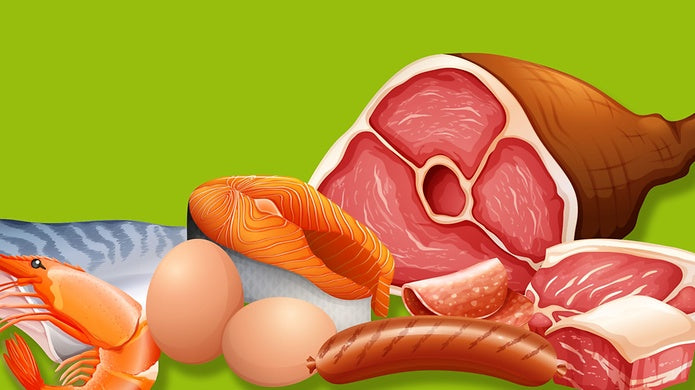
Fish contains vitamin D and omega-3 fatty acids
-
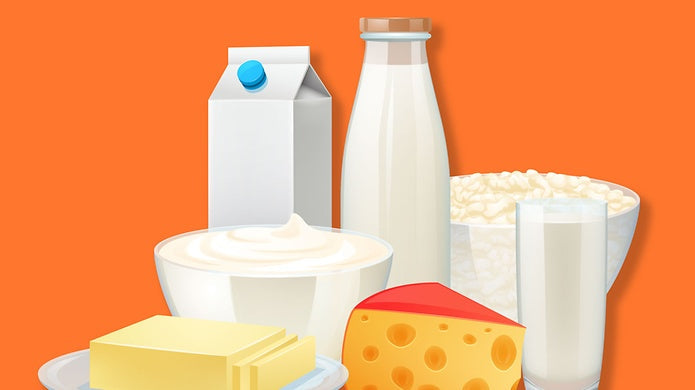
Milk, cheese and yoghurt can provide protein and calcium (try lower-fat options)
Fruit and vegetables
Whether it’s fresh or frozen, added to your yoghurt or in a glass of juice, try to aim for five portions of fruit and vegetables daily.
Note that if you are going to drink your fruit and vegetables in a juice or smoothie, the NHS recommends that these should be limited to 150ml daily and drunk with meals to reduce the chance of tooth decay.
What should I try to avoid for my heart health?
Foods are unlikely to immediately damage your heart, but having too much of certain food and drink over a sustained period will increase the risk of you suffering from health problems.
For your heart health, it can be useful to reduce your intake of:
-
Salt – Excessive salt can increase the risk of high blood pressure and coronary heart disease
-
Saturated fat – Can increase blood cholesterol levels
-
Alcohol – Aim for no more than 14 units per week across at least three days (with some days without alcohol)
-
Sugar – Can gradually contribute to weight gain and tooth decay
Try and minimise the number of processed foods, sweet treats and red meat you eat.
Saturated fats
Consistently eating foods high in saturated fats can cause your cholesterol levels to rise, specifically LDL cholesterol. Too much of this cholesterol can lead to a build up of cholesterol and plaque in your blood vessels, which can then increase your risk of heart attacks and strokes.
This can be found in foods like:
-
Fatty or process red meat
-
Full-fat dairy
-
Cakes
-
Biscuits
-
Palm oil and coconut oil
UK guidelines recommend no more than 30g of saturated fat per day for men and 20g for women.
Unsaturated fats raises HDL cholesterol levels. This then moves cholesterol from parts of the body where there’s too much of it to the liver, where it’s disposed of. Foods that contain these include:
-
Nuts and seeds
-
Oily fish
-
Avocados
-
Olive and rapeseed oil
Planning healthy meals
There are several tools and resources you can use to help plan a healthy meal, some of which can be found on your food.
Nutrition information labels
Many pre-packed food use nutrition information labels to help you tell if a food is high, medium or low in fat, sugar, salt, etc. This is often seen as a traffic light label.
Red – high
The food is high in fat / saturated fat / sugar / salt. Eat these food less often or in smaller amounts to help your intake.
Amber – medium
Means the level is neither high nor low. Can be eaten as a part of a balanced diet.
Green – low
The food is low in the specific nutrient and is usually a healthier choice.
Pay attention to the portion size used to calculate the label information (e.g. if the label says per 100mg for a 700mg total box), as this might affect your recommended portion.
The Eatwell Guide
The Eatwell Guide defines the government’s recommendations on eating a healthy and balanced diet. It can be used for preparing meals to support heart health and overall wellbeing.
Other useful resources
Quick tips on heart health
If you’re planning a meal and want to make sure you’re focused on heart health, make sure you keep the following points in mind:
-
Cut back on takeaways, meals out and processed food
-
Check and make sure you understand the information on food labels
-
Pick cooking methods like baking, steaming or grilling than ones that use more fat (like frying)
-
Choose healthier fats
-
Add more fruit, vegetables and unsalted nuts in your diets