Genital herpes is a viral infection, which means it can’t be treated with antibiotics. In fact, there is currently no cure for herpes and flare-ups of symptoms can occur over time.
However, there are two types of treatment that can help during an outbreak:
- Antiviral tablets to reduce the severity of your symptoms
- Pain-relieving creams to apply directly to the affected skin
The first time you experience herpes symptoms you should get checked and receive treatment in person. Once you’ve had a diagnosis of genital herpes, you can order treatment through Online Doctor for any future outbreaks.
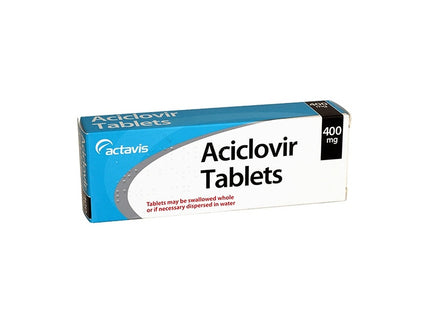
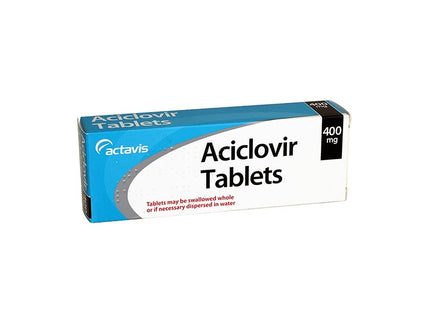
We prescribe the antiviral tablet aciclovir, which should be taken for five days as soon as you start to experience symptoms. This treatment will help to reduce the length and severity of the outbreak.
We also can also prescribe herpes suppression treatment, which is designed for people who have more than six outbreaks of herpes symptoms each year. With this treatment, you’ll take aciclovir tablets twice a day, every day, normally for an entire year. It should lead to fewer (or even zero) outbreaks, and less severe symptoms.
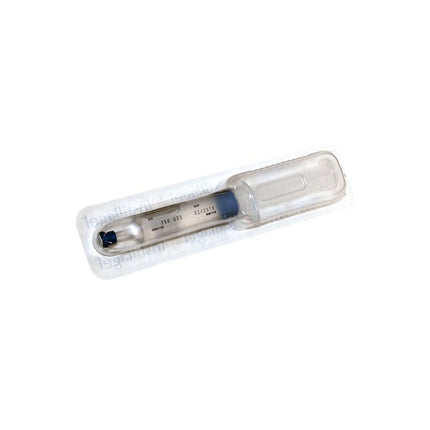
In addition to taking antivirals you may also want to use a pain-relieving treatment like Instillagel. This is an anaesthetic (numbing) gel that is applied directly to the affected skin to ease pain and discomfort.
Can herpes be cured?
There is no cure for genital herpes. Once you have the herpes virus in your system it will remain there for the rest of your life. Genital herpes treatment can reduce further outbreaks or soothe the symptoms when one happens.
Can herpes come back?
Even after you have completed treatment for herpes, there is still the possibility of it recurring at any time. A study of genital herpes patients reported 89% of patients had at least one outbreak within the first year of the study, with 20% having more than ten.
Outbreaks are usually less intense than the first time herpes symptoms appear.
How often does herpes come back?
There is no set amount of times genital herpes can return – it can stay dormant for years or appear repeatedly over a few months. Some believe that outbreaks are most common in the first year after infection and will lessen as time goes on, but this can differ from person to person.
There are a lot of external factors that can trigger a genital herpes outbreak, such as stress, hormonal changes or alcohol consumption. You can find out more about triggers in our FAQ section below.
Who can take herpes treatment?
Genital herpes treatment is suitable for most people and is used to either suppressing the herpes virus (limiting an outbreak) or to numb the area it is applied to and provide local anaesthetic to a sore (providing pain relief).
Do not take genital herpes treatment if:
- You are allergic to any of the ingredients in Aciclovir tablets or Instillagel
- You have kidney problems
- You are over 65 years old
- The area of the gel application site is damaged or bleeding
Please let your GP know you are going to be taking genital herpes treatment if you are:
- Pregnant or breast-feeding
- Undergoing treatment for an irregular heartbeat (if you’re taking Instillagel)
- If you have heart or liver problems
- You suffer from epilepsy
- You are taking medicine for gout, stomach ulcers or for transplanted organs (if you’re taking Aciclovir)
For more information on Aciclovir tablets and Instillagel read their patient information leaflets:
Do I have genital herpes?
If you have been exposed to genital herpes the virus can remain dormant in your system and show no clear symptoms. It’s important to stay aware and talk to your GP if you think you might be at risk. However, if you have the following symptoms, you might have genital herpes:
- Painful blisters around the genitals, thighs, cervix, buttocks or rectum that burst to leave sores
- Flu-like symptoms
- If you have a vagina, unusual discharge
- Pain while peeing
Read our article on herpes symptoms for more information.
What do herpes sores look like?
Herpes causes small, red painful blisters to appear around your genitals, groin, thighs and buttocks. These blisters can last for up to three weeks if they’re not treated properly.
Once they burst they will leave red, open sores (though may be less red depending on your skin tone). These sores will crust over and should heal without causing any scars.
Read our article on herpes sores and blisters for more information.
How do you test for herpes?
If you’re experiencing the symptoms of herpes, you can take a test at a sexual health clinic. A doctor or nurse will take a swab from a blister or sore and ask you some questions about your recent sexual history.
You can take a blood test for herpes if you aren’t showing symptoms, but there is a chance you could get an inaccurate result on this test if you are tested too soon after your exposure to herpes..
How long does it take herpes sores to appear?
You will not always show symptoms if you are infected with genital herpes as the virus can lay dormant. With that in mind it’s important to get tested if you think you have been exposed to herpes.
The NHS states that testing at a sexual health clinic cannot be carried out if you don’t have any visible blisters or sores.
If you do get genital herpes symptoms, it can take between two and twelve days after exposure for them to appear. This first herpes episode can last from two to four weeks