Can blood tests detect the causes of hair loss?

This article will talk about the different types of hair loss. We’ll also outline the causes of hair loss, and how a blood test can help identify them.
Types of hair loss
There are many different types of hair loss. Some of the most common types include:
- Androgenetic alopecia - male or female pattern baldness caused by genetics or hormonal changes
- Telogen effluvium – rapid hair loss caused by stress
- Alopecia areata – patchy hair loss causes by inflammation (although the cause of the inflammation is often unknown)
- Alopecia totalis – complete hair loss. The cause is unknown, but some experts think it’s an autoimmune condition
Hair loss in women
The main type of hair loss in women is androgenetic alopecia (female pattern baldness). This usually starts with the hair thinning, eventually resulting in a see-through appearance on the top of the head.
The Ludwig Classification
Doctors use the Ludwig Classification to describe the level of hair loss in women:
- Type one: thinning that can be disguised by certain hairstyles
- Type two: a noticeable decrease in volume and a wider parting
- Type three: the scalp is visible through the hair

Hair loss in men
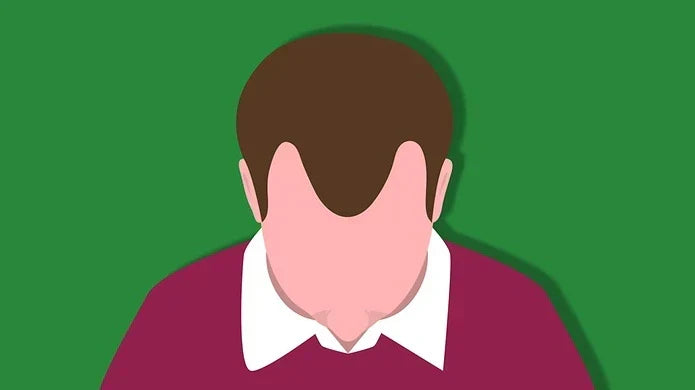
Male hair loss is a very common condition that affects 6.5 million men in the UK. The most common type of hair loss affecting men is male androgenetic alopecia (male pattern baldness).
The Hamilton-Norwood scale
The Hamilton-Norwood scale is currently used to describe male pattern baldness in clinical settings. This is a visual guide, moving through seven stages of thinning. It can be useful in diagnosing hair loss, and working out what treatment is best.

Hair loss support groups for men and women
Hair loss can have a negative impact on your mental health. If you are struggling with hair loss and it’s affecting your mood, talk to your GP or seek help from support groups.
Hair loss blood tests
There are many different causes of hair loss. Your doctor might recommend a blood test to help understand the cause. Some of these tests can also be done using an-at home finger-prick blood test.
Blood tests as LloydsPharmacy Online Doctor measure the following biomarkers (depending on the test). If you are not in the normal range for any of them, this could point towards a potential cause of hair loss that your doctor may want to explore further.
Thyroid hormone levels
An underactive or overactive thyroid can cause hair loss in men and women. However, it isn’t a common or early symptom. You might experience hair loss if you have a severe, prolonged or untreated thyroid problem.
A general health blood test will measure your thyroid function by measuring two biomarkers – free thyroxine and thyroid stimulating hormone. Our women's hormones blood test also reviews thyroid function.
Hair loss is far more likely with hypothyroidism, as it can cause your hair to become brittle.
Sex-hormone levels - Testosterone
A population study in Northeastern Germany looked at the relationship between sex hormones and hair loss in men – it found no link. This backs up research suggesting that bald spots from male pattern baldness might be linked with a genetic sensitivity to male hormones, rather than the hormone themselves.
Laboratory testing for the diagnosis of male pattern hair loss is generally unnecessary. However, your doctor might consider tests for thyroid function, a full blood count, and ferritin and vitamin D levels.
Blood sugar levels
There could be a link between diabetes and hair loss. Uncontrolled or undiagnosed diabetes can cause very high blood sugar levels, damaging blood vessels. Blood flow is then restricted to these vessels, and some cells may not get the oxygen levels they need. This can then cause hair loss, as the lifecycle of the hair follicle is disrupted.
Our general health blood test measures your blood sugar levels over a three-month period, and you can do this test at home. However, if you are feeling generally unwell, have other symptoms of diabetes, and experiencing hair loss, you should talk to your doctor.
Vitamin D levels
If you have a vitamin D deficiency, you are more likely to experience hair loss. Some experts recommend taking a vitamin D supplement to treat some types of hair loss. Our at-home general blood test will report on your vitamin D levels, and if they are outside the normal range.
Iron count
Our tests don’t check your iron levels, but low iron can also be a cause of hair loss. Although various studies have produced conflicting evidence about the relationship between iron deficiency and hair loss, most doctors agree that a seriously low level of iron in the blood can impact the physiological process of hair follicles, damaging them and leading to hair loss.
Our hair loss advice hub
We’re here for you with advice articles from our NHS-experienced clinicians. We cover everything from tips to leading a healthier lifestyle, to erectile dysfunction (ED) and hair loss. We’ve also got all the info you need about contraception, cystitis, and sexual health.
-
References
-
https://www.ncbi.nlm.nih.gov/pmc/articles/PMC5817427/
-
https://www.health.harvard.edu/staying-healthy/treating-female-pattern-hair-loss
-
https://www.ncbi.nlm.nih.gov/books/NBK278957/
-
https://www.ncbi.nlm.nih.gov/pmc/articles/PMC4812885/
-
https://www.alopecia.org.uk/pages/category/find-a-support-group
-
https://www.ncbi.nlm.nih.gov/pmc/articles/PMC10492440/
-
https://pubmed.ncbi.nlm.nih.gov/24383154/
-
https://www.nhs.uk/conditions/type-2-diabetes/symptoms/
-
https://patient.info/news-and-features/can-vitamins-really-promote-healthy-hair
- https://www.sciencedirect.com/science/article/abs/pii/S0190962209022464
-
https://www.ncbi.nlm.nih.gov/pmc/articles/PMC5817427/